Stem Cell Therapy for Elbow Pain and Tennis Elbow

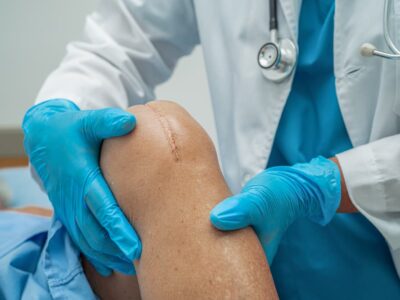

Elbow pain has a way of disrupting ordinary life far more than people expect. A sore knee can be babied. A stiff neck can be worked around for a few days. The elbow is different. It shows up every time you grip a coffee mug, turn a doorknob, shake hands, pick up a child, carry groceries, type for hours, or swing a racquet. When the pain settles into the outside of the elbow and refuses to leave, many people end up with a diagnosis of tennis elbow, even if they have never played a single set in their lives.
That disconnect matters. Tennis elbow, or lateral epicondylitis, is not really about tennis. It is usually an overuse problem involving the tendons that attach the forearm extensor muscles to the outside of the elbow. In plain language, the tissue gets overloaded, irritated, and in stubborn cases begins to show degenerative change rather than classic short-term inflammation. That is part of the reason so many people start looking beyond rest, braces, anti-inflammatory medication, and physical therapy. They want something that does more than quiet symptoms for a few weeks. They want healing.
That search is where Stem Cell Therapy enters the conversation. It is one of the most discussed regenerative medicine options for chronic tendon pain, including difficult cases of tennis elbow. It is also one of the most misunderstood. Some patients arrive assuming it is a miracle injection that regrows tissue on demand. Others have heard enough hype to become skeptical of everything in the field. The truth sits in the middle. Stem Cell Therapy may help selected patients, but it is not interchangeable with good diagnosis, careful rehabilitation, or common sense about what the elbow actually needs.
Why tennis elbow becomes chronic
Most short-lived tendon pain improves with load management and time. Chronic tennis elbow is different because the tendon often stops behaving like an acutely inflamed structure and starts looking more like a tissue that has been worn down by repeated strain. Under a microscope, these tendons can show disorganized collagen, microtearing, and poor-quality repair. Patients often describe a pattern that fits this biology. The elbow starts as a nuisance, eases with a few days off, then comes back faster and stronger. Eventually even light tasks hurt.
The common triggers are familiar. Repetitive gripping is a major one. So is lifting with the wrist extended, which happens more often than people realize in gym training, manual work, and home projects. Keyboard and mouse work alone usually does not create severe tennis elbow, but long hours at a workstation can add enough forearm tension to slow recovery. Racquet sports, especially with poor backhand mechanics or a grip that is too small, can push a vulnerable tendon over the edge. So can work involving screwdrivers, tools, painting, pruning, carrying trays, and warehouse tasks.
The elbow itself is not always the whole story. Tightness in the shoulder, poor scapular control, weak forearm endurance, and neck-related nerve irritation can all feed the pattern. This is one reason some people cycle through injections and temporary fixes without lasting relief. The tendon may be one pain generator, but the movement system around it often contributes to the problem.
What Stem Cell Therapy is, and what it is not
The term Stem Cell Therapy covers a range of procedures, and that is where confusion starts. In musculoskeletal care, the goal is usually to use biologic material from the patient’s own body to support repair in a damaged tendon, ligament, or joint. The most commonly discussed sources are bone marrow aspirate concentrate, often taken from the pelvis, and adipose-derived preparations from body fat. These preparations may contain mesenchymal stromal cells, along with many other cells and signaling molecules.
That distinction is important. In everyday marketing, everything gets labeled “stem cells.” In clinical reality, these injectates are complex biologic mixtures. They are not pure stem cell products in the way many patients imagine. Their proposed value lies in how they may influence the local healing environment, modulate inflammation, and support tissue repair. The exact mechanism in a tendon is still being studied, and outcomes can vary based on the preparation method, the severity of tendon damage, the precision of the injection, and the rehab plan that follows.
For elbow pain, the procedure is usually done with ultrasound guidance so the clinician can place the injectate directly into the diseased portion of the common extensor tendon. Precision matters. A biologic injection placed vaguely near the painful area is not the same as a targeted treatment delivered into the pathologic tissue.
The appeal of regenerative treatment for the elbow
Patients are often drawn to Stem Cell Therapy because chronic tennis elbow sits in an awkward treatment gap. Many cases improve with conservative care, but the ones that linger can become frustrating. Corticosteroid injections may reduce pain quickly, yet in tendon disorders that short-term relief does not always translate into better long-term healing. In fact, repeated steroid injections can be counterproductive in degenerative tendon conditions. Surgery is an option for severe, persistent cases, but many people would prefer to avoid an operation if they can.
Regenerative procedures aim to bridge that gap. The theory is straightforward. If the tendon has entered a failed healing state, a biologic injection may help restart or improve the repair response. That idea is attractive, especially for active adults, manual workers, and athletes who want to return to full use of the arm without simply masking pain.
In practice, the attraction is often https://wakelet.com/@denverregenerativemedicine strongest in people who have done the basics properly. They have already completed months of exercise-based therapy, changed equipment or technique, modified aggravating activities, and still cannot break the cycle. Those are the cases where a discussion about biologic treatment becomes more reasonable.
What the evidence suggests, carefully interpreted
The evidence for regenerative injections in elbow tendinopathy is promising but far from definitive. Some studies and case series suggest benefit for pain and function in chronic lateral epicondylitis, particularly in patients who have not improved with standard conservative measures. Platelet-rich plasma has been studied more extensively than many stem-cell-based preparations, and even there, results are mixed depending on study design, product preparation, and follow-up period.
For Stem Cell Therapy specifically, the literature is smaller. Early findings and limited clinical experience indicate that some patients improve, sometimes meaningfully, but the field still lacks large, standardized, high-quality trials that answer every practical question. That does not make the treatment invalid. It means clinicians and patients should approach it with measured expectations. There is a difference between “not proven in every detail yet” and “does not work.” There is also a difference between “may help selected patients” and “works reliably for everyone.” Good judgment lives in that space.
A useful way to think about it is this: regenerative treatment may improve the odds of recovery in the right patient, but it does not replace diagnosis, biomechanics, tissue loading principles, or time. If someone expects to get one injection on Friday and play three hours of tennis the next week, disappointment is likely. Tendons heal slowly even under ideal circumstances.
Who tends to be a reasonable candidate
Not every painful elbow should be treated with Stem Cell Therapy. The treatment makes more sense after the diagnosis is secure and the usual nonoperative options have had a fair trial. A patient with three weeks of new pain after overdoing yard work is not the same as a patient with nine months of persistent lateral elbow pain, weakness with gripping, ultrasound evidence of tendon degeneration, and failure of well-structured physical therapy.
The stronger candidates often share a few features:
- persistent tennis elbow or related tendon pain lasting several months despite appropriate conservative treatment
- imaging or clinical findings that suggest tendinosis or partial tendon damage rather than a simple transient flare
- a desire to avoid surgery, combined with realistic expectations about recovery time
- willingness to follow a rehabilitation plan after the injection
- absence of another dominant pain source such as cervical radiculopathy, major joint arthritis, or an unstable ligament injury
Age alone is not a simple disqualifier. A healthy 58-year-old with a stubborn tendon problem may be a better candidate than a 28-year-old who has not yet done proper rehab. Tissue quality, overall health, smoking status, activity demands, and the accuracy of the diagnosis often matter more than the date on a driver’s license.
Cases where caution is warranted
There are situations where elbow pain that looks like tennis elbow turns out to be something else. Radial tunnel syndrome can mimic it. So can referred pain from the neck. Arthritis inside the elbow joint can coexist with tendon pain, especially in older patients or people with prior injury. A high-level throwing athlete may have a more complex picture involving the inside of the elbow, not just the lateral tendon. If those problems are driving symptoms, a biologic tendon injection may do very little.
Caution is also wise in patients with active infection, certain blood disorders, uncontrolled diabetes, severe systemic illness, or medications that complicate healing or procedures. Every clinic has its own screening standards, but this is not a treatment that should be sold casually.
Another practical point is cost. Stem Cell Therapy for orthopedic conditions is often not covered by insurance. That changes the decision. A patient paying out of pocket deserves a plainspoken discussion about uncertainty, alternatives, and expected rehabilitation. Glossy promises are easy. Honest counseling is harder and much more valuable.
What the procedure usually involves
The details vary by practice, but the broad outline is similar. After examination and review of imaging, the clinician identifies whether the elbow pain pattern truly fits chronic tendinopathy. If the plan is to use bone marrow aspirate concentrate, marrow is typically drawn from the back of the pelvic bone under sterile conditions. That sample is then processed to concentrate the cellular components. If an adipose-based approach is used, the tissue collection differs, but the same principle applies: collect, process, and prepare the biologic injectate.
The elbow is then treated under sterile technique, ideally with ultrasound guidance. The damaged portion of the tendon is visualized, and the injectate is placed precisely where the degeneration is greatest. Some clinicians perform a light tendon fenestration or needling technique as part of the process to stimulate a healing response. Local anesthetic use varies because too much anesthetic within the tendon can be undesirable.
After the procedure, the first few days are often more uncomfortable than patients expect. That does not necessarily mean anything has gone wrong. A temporary increase in pain is common after tendon needling and biologic injection. The arm is usually protected from heavy use at first, then gradually reloaded through a structured program.
Recovery is not passive
This is the part many people underestimate. Tendons do not respond well to total rest forever, and biologic injections do not eliminate the need for progressive loading. The best outcomes usually come when the procedure is paired with a thoughtful rehabilitation plan that respects both tissue healing and function.
A typical recovery arc is uneven. The first week may involve soreness and reduced activity. Over the next several weeks, patients begin controlled motion and gentle strengthening. Grip loading, wrist extensor work, and forearm endurance are progressed gradually. The shoulder and scapula often need work too, because poor mechanics higher up the chain can keep overloading the elbow. Return to racquet sports, golf, heavy lifting, or repetitive manual labor tends to happen later, usually after pain levels and tendon tolerance improve.
People often want a timeline measured in days. A more honest answer is that meaningful tendon recovery usually unfolds over weeks to months. Some patients feel early relief. Others notice little for a month and then improve steadily after that. It is not unusual for tendon treatment to require patience.
How Stem Cell Therapy compares with other options
Most patients considering this treatment are deciding between several imperfect choices. Rest alone often fails in long-standing cases. Braces may reduce strain temporarily but rarely solve the core problem. Anti-inflammatory medication can help with symptom control, though chronic tendinosis is not purely an inflammatory condition. Physical therapy remains foundational and, when done well, is more effective than many people realize. The catch is that it must be specific, progressive, and sustained. A handout of generic stretches rarely changes a stubborn tendon.
Corticosteroid injections deserve careful handling. They can provide short-term pain relief, sometimes dramatic relief, and that can be useful in selected cases. But for chronic degenerative tendon pain, steroids may not offer the best long-term tissue outcome. Repeated use is particularly questionable.
Platelet-rich plasma is another biologic option and often the closer comparator. It is generally less invasive than marrow-based procedures and has a larger evidence base in tendinopathy, although results remain variable. In real clinical decision-making, some patients are better served by PRP first, especially when the tendon damage is moderate rather than severe. Stem Cell Therapy tends to enter the discussion more often when the case is chronic, resistant, or more structurally compromised, though practice patterns differ.
Surgery remains a reasonable option for a small group of patients with persistent pain after many months of comprehensive nonoperative care. Surgical treatment typically involves debridement of diseased tendon tissue and, in some cases, repair. It can work well, but it also carries the expected burdens of operative recovery. For the right patient, regenerative treatment may be an attempt to avoid that path. For the wrong patient, it may simply delay a surgery that was likely needed anyway.
What real improvement looks like
The most meaningful outcomes are often less dramatic than marketing language suggests but more important in daily life. Improvement may mean being able to carry a grocery bag without wincing, work a full shift without compensating, return to serving in tennis, or stop waking up from rolling onto the arm at night. Grip strength often matters more than people realize. Many patients judge progress not by pain at rest but by whether they can firmly grasp, twist, lift, and repeat.
A middle-aged recreational tennis player once described recovery to me in a way that fits many cases. Early on, she kept asking when the elbow would “feel normal again.” That was the wrong benchmark. The better benchmark was function. First she could backhand softly without sharp pain. Then she could play forty-five minutes. Then she stopped thinking about the elbow between points. The tissue probably was not “normal” on a strict biologic level for a long time, but it had become capable again. For active adults, that distinction is often what matters.
Risks, limitations, and the uncomfortable truths
No intervention worth taking seriously is risk-free. With Stem Cell Therapy, the main procedural risks include pain at the harvest site if marrow is used, post-injection pain flare, bleeding, bruising, infection, and lack of benefit. Nerve injury is uncommon but must be considered with any injection around the elbow. There is also the simple reality that not every tendon heals, even when the procedure is technically perfect.
One uncomfortable truth is that some patients are sold regenerative procedures before the basics have been done properly. Another is that “stem cell” branding can blur important differences between products, protocols, and evidence quality. Patients should know exactly what is being injected, why that specific approach is recommended, what alternatives were considered, and what the recovery demands will be.
There is also a biological limit to what an injection can do. A severely degenerated tendon with major tearing, poor mechanics, and ongoing overload from work or sport may improve only partially. If the patient returns immediately to the same aggravating pattern, the tissue may fail again. Regenerative medicine can support healing. It cannot negotiate with physics.
Questions worth asking before saying yes
A good consultation should leave a patient better informed, not dazzled. Before moving forward, it helps to ask a short set of practical questions:
- what exactly is the diagnosis, and how certain are we that the tendon is the main pain source?
- what type of biologic preparation will be used, and why is it preferred over PRP or continued therapy?
- how will the injection be guided, and what does the rehabilitation plan look like afterward?
- what results are realistic in a case like mine, including the chance of no meaningful improvement?
- if this does not work, what is the next best option?
The quality of the answers often tells you as much as the treatment itself. Clear, measured answers usually come from clinicians who understand both the promise and the limits of regenerative care.
The role of physical therapy before and after the injection
Even when patients are eager for a procedure, I rarely view physical therapy as a box to check. It is part of the treatment itself. Before any injection, therapy helps confirm whether the tendon truly fails to respond to progressive loading. That matters because some elbows labeled “refractory” have never actually gone through a well-built loading program. They have only rested, stretched, iced, and flared again.
After the injection, therapy becomes even more important. A good therapist helps calibrate load so the healing tendon is challenged without being overwhelmed. Eccentric and heavy slow resistance work may have a role, but timing matters. Too much, too soon can set a patient back. Too little for too long can leave the tendon deconditioned and fragile. Hand position, shoulder mechanics, grip strategy, racquet or tool modifications, and work pacing all belong in the plan.
This is where experience shows. The elbow that hurts during keyboarding but not lifting is not the same as the elbow that tolerates office work but fails under deadlifts, painting, or topspin backhands. The rehab has to match the actual stressor.
A balanced view for patients weighing the option
Stem Cell Therapy for elbow pain and tennis elbow sits in a space that deserves neither blind enthusiasm nor reflex dismissal. For selected patients with chronic tendinopathy, it may offer meaningful relief and functional improvement, especially when conservative care has been done well and surgery is the next conversation on the table. For others, the best answer is still a sharper diagnosis, a better loading program, improved mechanics, or a less invasive biologic approach such as PRP.
The best decisions usually come from matching the treatment to the problem rather than chasing the newest label. If the elbow pain is recent, uncomplicated, and clearly tied to overload, standard care often works. If the problem is old, stubborn, and structurally degenerative, regenerative treatment may be worth discussing. If the diagnosis is muddy, the first priority is clarity, not injection volume.
Patients tend to do well when they approach the process with two ideas at once. First, the tendon may need more than symptom control. Second, no biologic treatment can carry the full burden of recovery by itself. Healing still depends on diagnosis, precision, load management, movement quality, and patience. When those pieces line up, Stem Cell Therapy can be a reasonable part of the plan for some elbows that simply have not responded to anything less.
Denver Regenerative Medicine | Stem Cell Therapy, HRT, Testosterone Clinic
Address: 5040 Corporate Plaza Dr Ste 7, Colorado Springs, CO 80919
Phone number: +17205831648
FAQ About Stem Cell Therapy
What are the negative side effects of stem cell therapy?
Stem cell therapy can cause mild short-term reactions like injection-site pain, fatigue, and low-grade fever. More serious risks include infection, immune system rejection, blood clots, unintended tissue growth or tumors, and severe complications from unproven treatments at unregulated clinics.
What diseases can stem cells cure?
Currently, stem cells routinely and effectively cure specific blood cancers, immune deficiencies, and blood disorders using established bone marrow or cord blood transplants. Most other applications—such as for Parkinson's, diabetes, or heart failure—remain experimental or in clinical trials rather than proven cures.
Do stem cell treatments really work?
Yes, stem cell treatments work, but only for a very specific group of conditions. Hematopoietic stem cell transplants (bone marrow transplants) are fully proven and widely used to treat blood cancers like leukemia and lymphoma. However, commercial stem cell treatments for joint pain, arthritis, and wrinkles are largely unproven, experimental, and costly.